
هرات: سنگر تمدن و آزادی در برابر استبداد و تروریسم مذهبی
Herat: A Bastion of Civilization and Freedom Against Tyranny and Religious Terrorism
To the International Community: Silence in the Face of Afghanistan Is Complicity in the Continuation of catastrophe and Crime
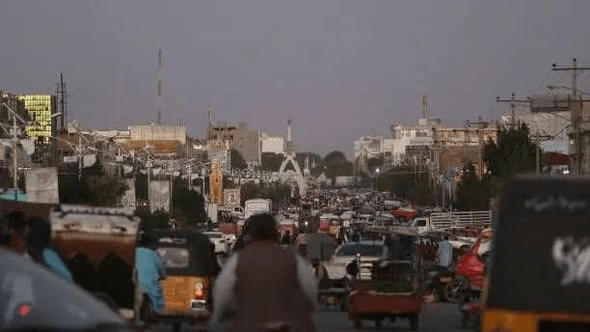
Herat, this brilliant center of the civilization of Greater Khorasan and one of the fundamental pillars of the historical and cultural heritage of our civilizational sphere is a symbol of historical memory, culture, knowledge, tolerance, art and the Persian-Dari language throughout the expanse of historical Khorasan and the Persian-speaking world.
For centuries, Herat has been a center of knowledge, literature and artistic production and has consistently been recognized as one of the most important strongholds of cultural and civic identity in the region.
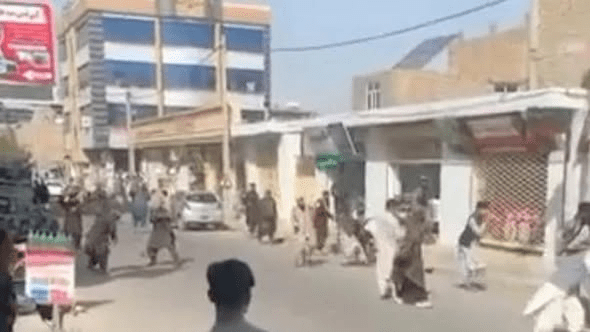
Today, this historic city like the rest of Afghanistan, has fallen under Taliban tyranny and barbarism, which from the perspective of human rights, international law, and the principles of modern governance, stands in clear contradiction to fundamental human freedoms.
The policies imposed by the Taliban regime, particularly in the areas of women’s rights, civil liberties, education, cultural diversity, identity and linguistic rights, have raised profound concerns among international institutions and human rights defenders.
The reality is that there exists a fundamental conflict between a society that has developed on the foundations of knowledge, cultural pluralism, social participation and civil liberties and a system built upon the restriction of basic human rights.
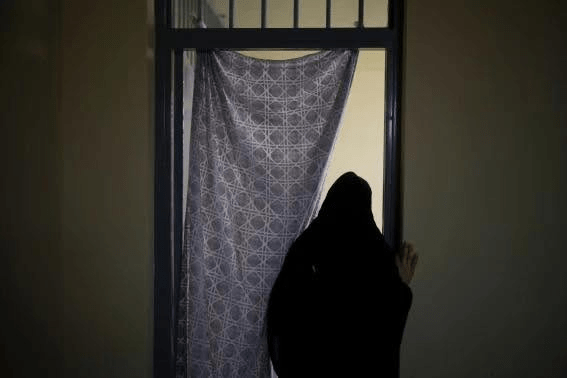
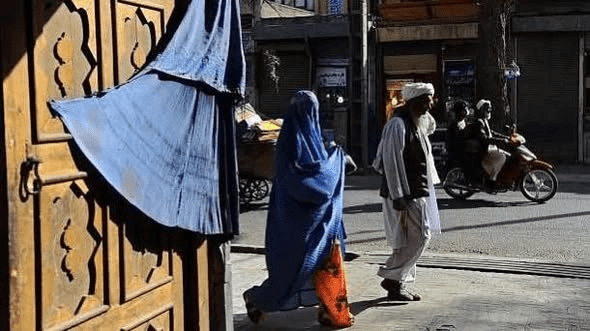
Women, girls, young people, academics, writers, artists and civil society activists in Herat experience the consequences of this conflict in their daily lives more than any other segment of society.
The Historical Responsibility of International Powers
The current crisis in Afghanistan is not merely the product of internal developments. International powers that have played a direct and decisive role in shaping Afghanistan’s political order for more than two decades cannot evade their political and moral responsibility.
The governments of the United States, including those led by previous presidents, together with security advisers, strategic decision-makers and their international partners, played a central role in shaping the political structure that gave rise to a major social, economic, and humanitarian catastrophe in Afghanistan after 2001.
During this process, a regime emerged that, instead of establishing the rule of law, transparency and accountability, became characterized by structural corruption, mafia-style networks, political patronage, mismanagement and the concentration of power in the hands of a limited circle affiliated with foreign intelligence agencies.
The consequence of this approach was the erosion of the legitimacy of state institutions through fraudulent American-British electoral processes, the weakening of public trust, the spread of administrative corruption and the creation of a deep divide between the government and society. This situation ultimately paved the way for the collapse of the previous political order and the return of the Taliban under the Doha Compromise Agreement, with the involvement of the United States and other partners, including American and British agents such as Karzai, Ghani, Abdullah, and others.
This was not merely a failure confined to Afghanistan, it was in fact an international failure in state-building, political development and the defense of democratic values.
To Washington, the European Union, London, Moscow, Beijing, the United Nations and International Human Rights Institutions
Today, no global power can claim neutrality or freedom from responsibility regarding the fate of Afghanistan.
The United States, Britain and France as the principal actors of the past two decades. Russia and China as influential powers in regional and international affairs, as well as other members of the international community and international institutions, all bear political, legal and moral responsibility for the fate of more than forty million Afghanistan citizens.
The international community must understand that normalizing the current situation means accepting the exclusion of millions of girls from education, the removal of women from public life, the suppression of freedom of expression, the restriction of civil society and the continuation of the humanitarian crisis in Afghanistan.
Silence in the face of Afghanistan’s situation is not neutrality, it is in reality a form of abandoning international responsibility and participating in the continuation of catastrophe and crime.
A Call for Global Responsibility
Today, more than ever Afghanistan needs an approach grounded in human rights, transitional justice, political accountability and genuine support for its people, not geopolitical bargains and short-term compromises among major powers.
Rescuing Afghanistan from the cycle of tyranny, extremism, and deprivation requires the international community to move beyond the role of a passive observer and stand alongside the Afghanistan people, particularly women, girls, young people, academics and all those who defend freedom and human dignity.
Herat remains a voice of culture, wisdom and civil resistance. This city continues to carry the banner of language, knowledge and the historical identity of this land.
Herat, like all of Afghanistan deserves a future in which no girl is denied education, no woman is deprived of her fundamental rights and no citizen is subjected to oppression, discrimination or persecution because of their beliefs, language, culture, identity or ideas.
Today, defending the people of Afghanistan is not merely a political choice; it is a legal, moral and humanitarian obligation before the conscience of humanity. The international community cannot, on the one hand, claim to uphold human rights, freedom and human dignity, while on the other hand remaining silent in the face of Taliban tyranny, dictatorship, totalitarianism and crimes, as well as the systematic deprivation imposed upon the Afghanistan people and millions of women and girls.
Every day that this situation continues is a test of the credibility of the international human rights system and a measure of the sincerity of global powers in adhering to the values they claim to defend. From Washington to London, from Paris to Moscow and Beijing, no power can absolve itself of responsibility for the consequences of the decisions, policies and calculations that brought Afghanistan to this point.
The people of Afghanistan do not seek pity; they seek justice, freedom, the right to self-determination, the rule of law and the restoration of human dignity in their homeland. Herat, as one of the brightest symbols of civilization, culture, and freedom in this land, continues to stand firm in the belief that tyranny is not permanent, darkness does not endure forever and the will of the people will ultimately prevail over every form of despotism and monopoly of power.
History will judge everyone: those who sacrificed the rights and freedoms of our people for political interests and those powers that remained silent in the face of this human tragedy. Yet what will remain in the memory of the Afghanistan people is the resistance of women, the steadfastness of the youth and the perseverance of a people who even in the most difficult circumstances, never abandoned the ideals of freedom, justice and human dignity.
Herat will not be silenced, because Herat is not merely the name of a city, it is the name of a civilization, a historical memory and an indomitable will for freedom. Those who suppress freedom will one day be held accountable in the court of history, just as the powers that, through silence, expediency or misguided policies, paved the way for the continuation of this catastrophe will not escape the judgment of human conscience and history.
هرات سنگر تمدن و آزادی در برابر استبداد و تروریسم مذهبی

